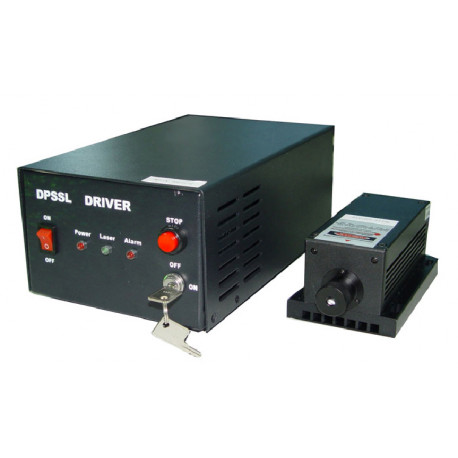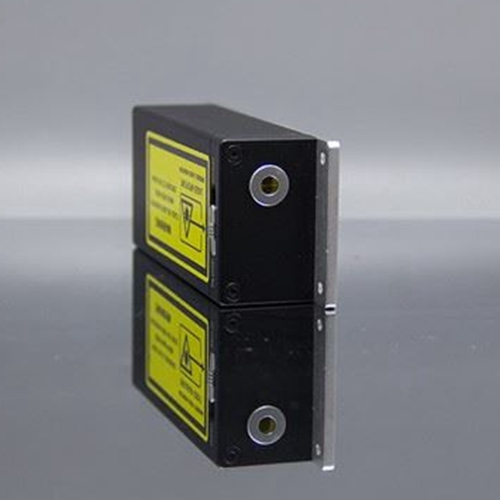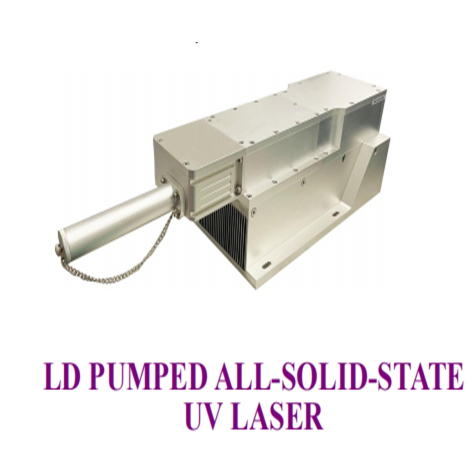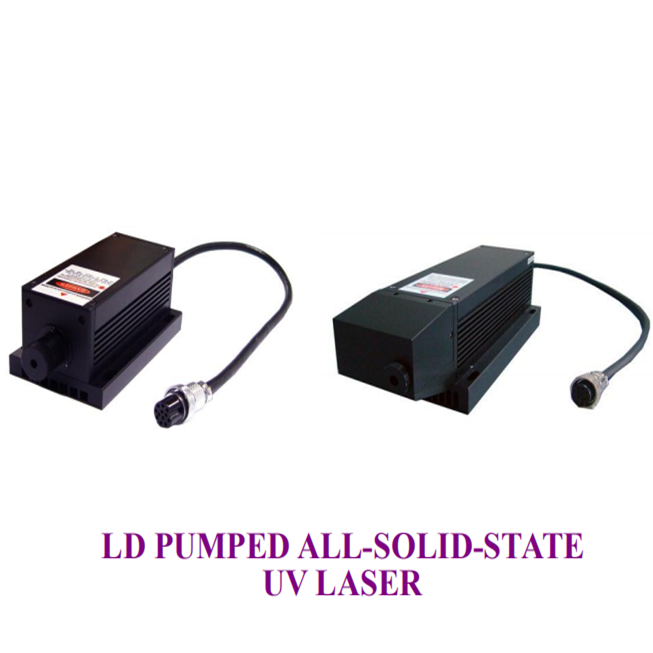
266nm Wavelengths UV lasers Ultraviolet Ultra Violet Solid State Laser Devices.
Ultraviolet lasers are lasers (or other laser-based light sources) generating ultraviolet light. Some of them can reach very high output power levels. UV lasers work a little differently to CO2 or Fibre as they do not damage the materials surrounding surface, using a far lower power form of marking. This makes them the best of the bunch when it comes to “marking”, suitable for anything from fruit, to glass, teflon, diamond, silicone, plastic and precious metals.
The truth is that the three lasers have different wavelengths and services. The fiber laser has a wavelength suitable for engraving/cutting metals, the IR laser has a long wavelength suitable for material processing, and the UV laser has a short wavelength suitable for processing semiconductors. Ultraviolet (UV) Laser ablation will produce finely cut and detailed features in precision parts manufacturing for industries ranging from medical to engineering. This application is typically used on non-metal parts but can also be used on ultra-thin metal as well.
266nm Lasers, specifically Diode-Pumped Solid-State (DPSS) Lasers, utilize the fourth harmonic of Nd:YAG laser material at 1064nm. Given a particular laser, with a particular fundamental wavelength, fourth harmonic generation is less efficient and cannot achieve the same energy levels compared to its lower-order harmonic counterparts.
These high power, nanosecond 266 nanometer lasers are available with either free-space or fiber-coupled output and a variety of pulse energies depending on the applications needs.
Applications: Optogenetics, Laser Induced Breakdown Spectroscopy, Time-of-Flight Spectroscopy, Photoluminescence.